What the LA Wildfires Revealed About Learning Disruption and Who It Hurts Most
School closures do not affect every family equally. The LA wildfires showed why reading continuity has to be part of a more resilient and equitable learning system.
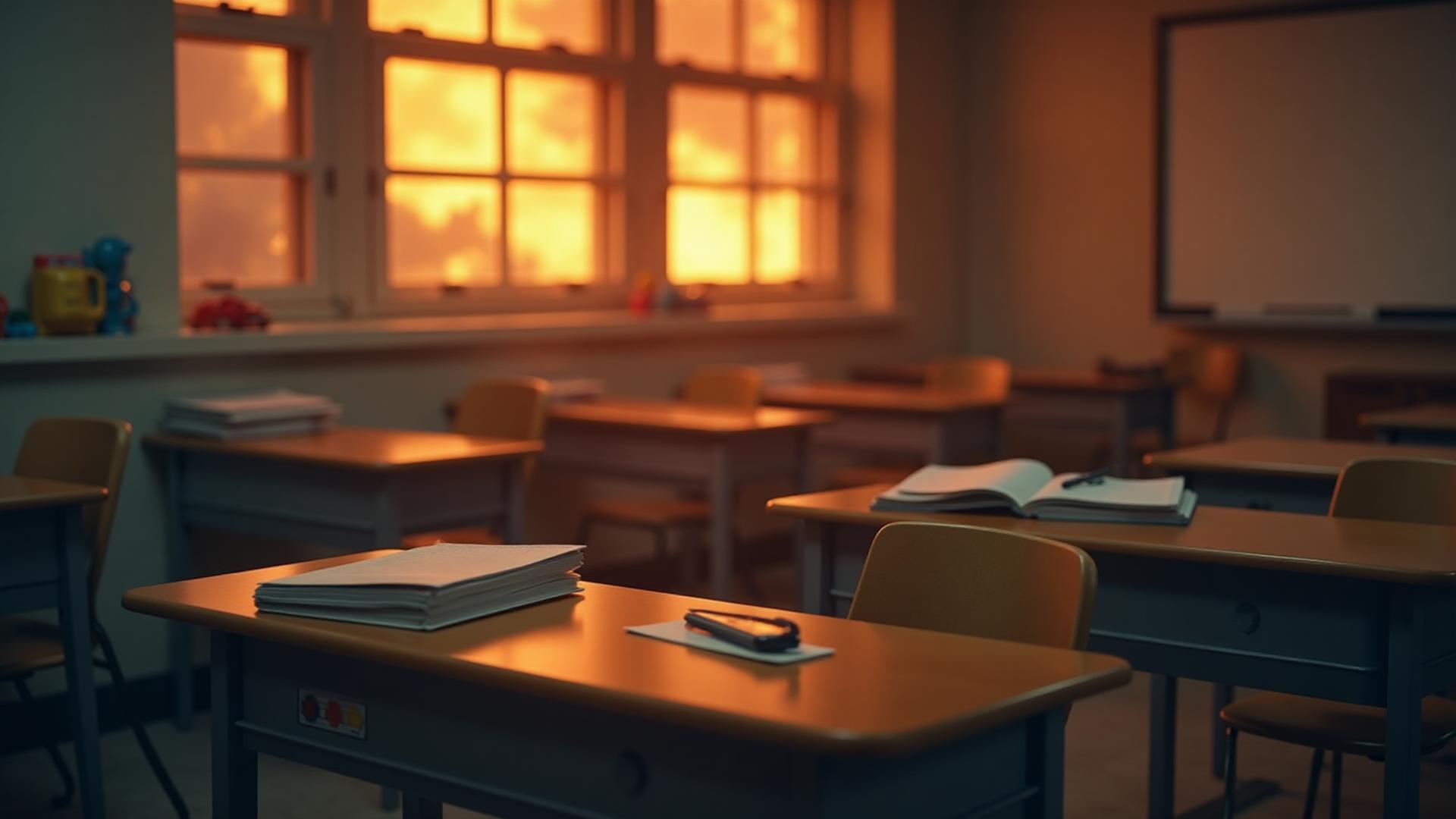
When wildfires swept through Los Angeles, the damage was not limited to homes, landscapes, and air quality. Schools across the region closed, affecting more than seven hundred thousand students and educators.
Families who had just settled into the school year suddenly faced a question that felt familiar from early Covid: what happens to learning when school disappears overnight?
The closures were temporary, but they exposed a deeper truth. Education in the United States is fragile, and that fragility does not fall equally across communities.
School Closures Show Who Has a Safety Net and Who Does Not
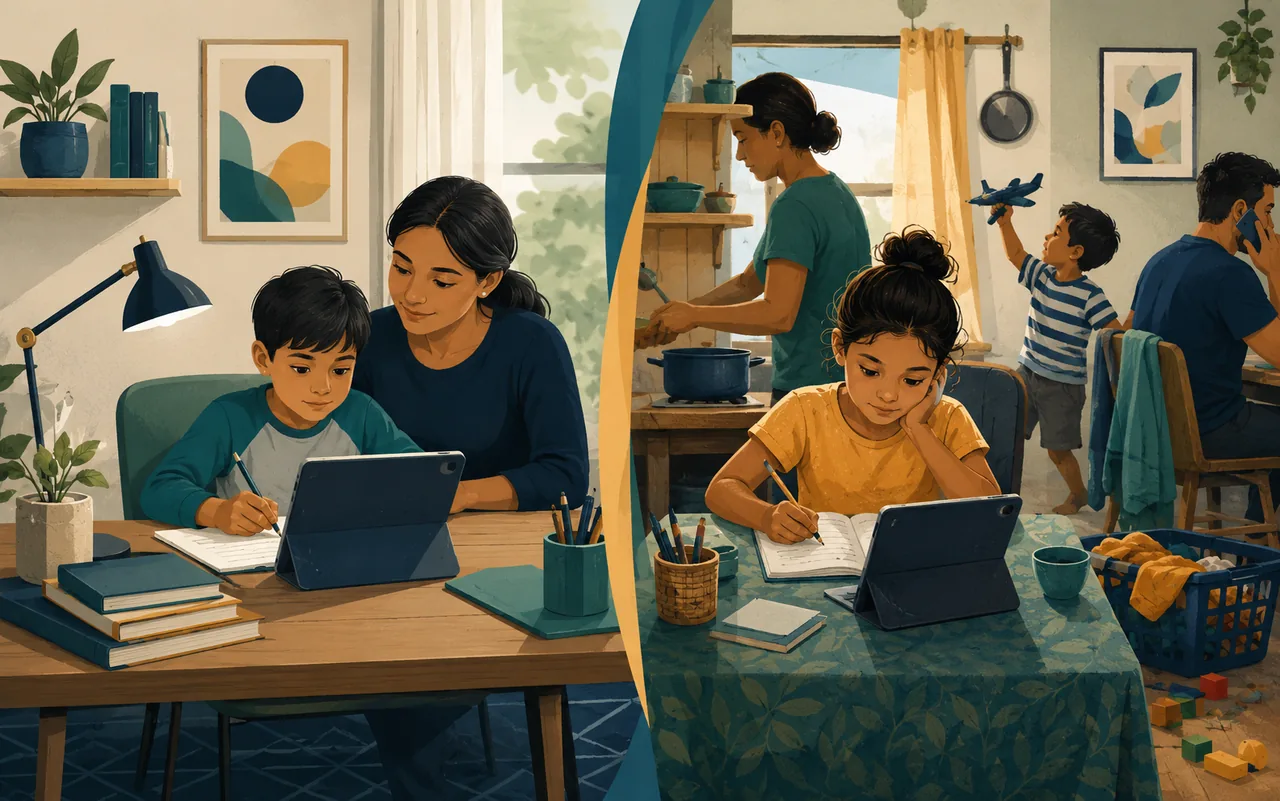
For many families in Los Angeles, the disruption was inconvenient, but not catastrophic. Some could quickly rebuild structure at home.
- Schedule a private tutor.
- Extend an existing learning pod.
- Purchase additional learning support.
- Use reliable devices, internet, and quiet space at home.
Many children continued their academic routines in a modified form. They may have lost a few days of school, but they did not fully lose reading practice, writing routines, or comprehension support.
For other families, there was no backup plan. A closure meant shared devices, unstable internet, parent work schedules that could not flex, and no affordable way to replace the structure that school provides.
Covid Taught Us What Happens When Learning Stops Unequally
We do not need to guess what happens when disruptions hit communities unevenly. Covid gave the clearest evidence in recent history.
Across studies, students in lower income communities experienced greater learning loss than students in higher income communities. In many cases, students in wealthier areas continued to make progress, especially in reading and math, while students in lower income areas lost months of learning.
Higher income families could often access
- Private tutors.
- High speed internet.
- Personal devices.
- Safe, quiet study spaces.
- Paid supplemental learning tools.
- Flexible schedules that allowed adults to support learning at home.
Lower income families often faced
- Limited device access.
- Weak or unavailable internet connectivity.
- Greater housing instability.
- Less time for at-home support.
- Higher stress levels.
- Few or no supplemental learning options.
The pandemic widened gaps that already existed. Students who were already behind fell further behind. Students who were struggling with reading lost the daily practice and structured teaching that help them progress.
Climate-Related Disruptions Are Increasing and Schools Are Not Prepared
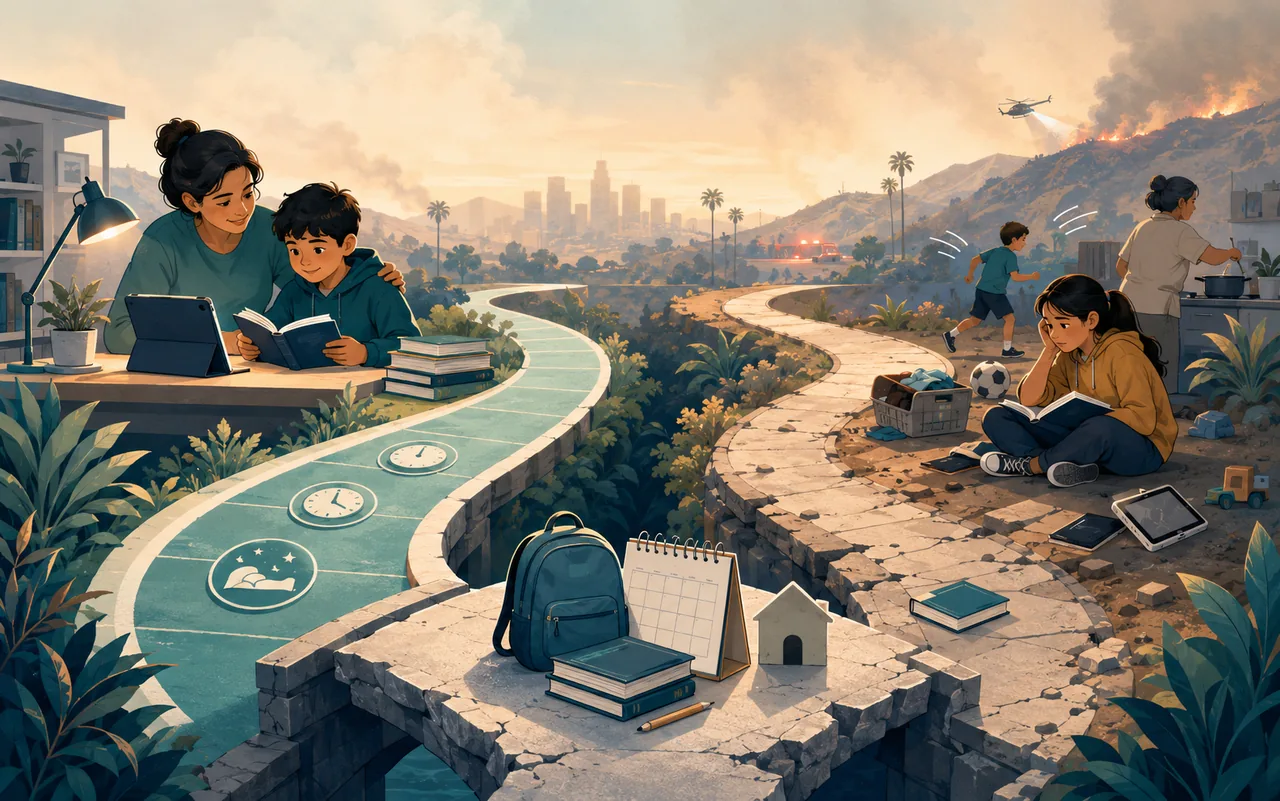
Wildfires, heat waves, hurricanes, and poor air quality days are interrupting the school year more often. Many districts have emergency plans for safety, communication, and transportation, but fewer have detailed plans for continuing foundational academic support at home.
Why reading is critical
Reading is cumulative. It depends on daily practice, consistent exposure to text, and support when a student gets stuck. Even a short disruption can create setbacks, especially for emerging readers and students with reading difficulties.
- Math word problems become harder.
- Science comprehension becomes harder.
- Writing becomes harder.
- Confidence drops.
- Engagement drops.
- Motivation suffers.
If closures are becoming more common, and if their impact is unequal, then reading continuity is no longer just a convenience. It is an equity issue.
Why Reading Support Must Be Accessible During Crises
Learning tools that function outside the classroom are becoming essential, not supplemental. A child should be able to practice reading, check comprehension, and receive support from a phone or tablet, even when routines are broken.
Families with private tutors have always had a safety net. Families without private tutors have not had a comparable fallback. The education industry should work to close that gap.
A Small Example From the LA Wildfires
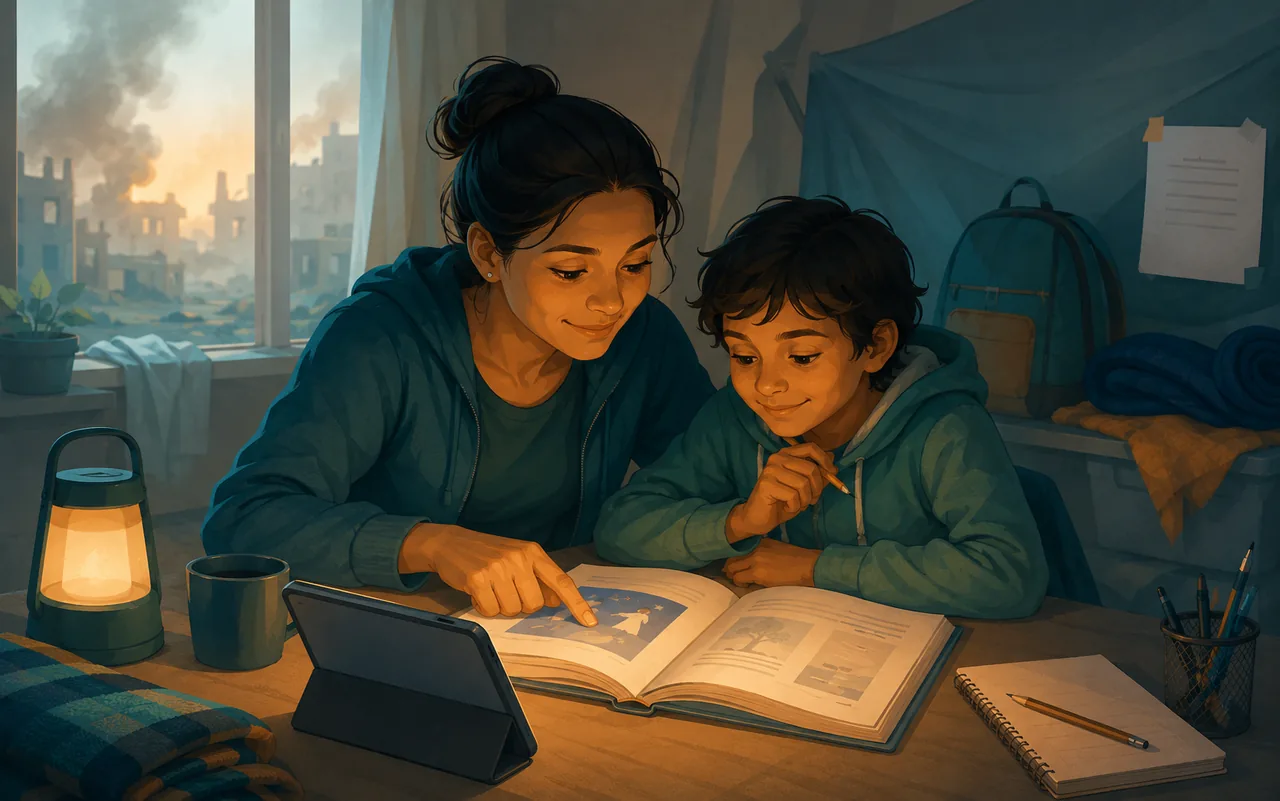
When school closures began during the LA wildfires, families reached out asking how they could keep their children reading during the disruption. In response, we quietly opened free access to Dr. Read for families affected by the fires.
It was not a campaign or an acquisition strategy. It was a response to a need. Some families had private tutors. Some did not. We wanted to make sure those without resources had at least one accessible way to stay connected to reading.
"If the industry is serious about equity, education continuity should not depend on income."
Thore Weber, Co-Founder & CEO
What Schools and Edtech Providers Can Learn From This Moment
- Disruption will happen again. Schools need plans for it.
- Learning loss is not evenly distributed. Disadvantaged students lose more ground and recover more slowly.
- Reading continuity should be part of emergency planning. Districts need ways for reading practice to continue from home.
- Technology can fill a meaningful gap when it gives families immediate support instead of another complicated system to manage.
- Access must not depend on ability to pay. If only affluent families can maintain momentum, every crisis widens the education gap.
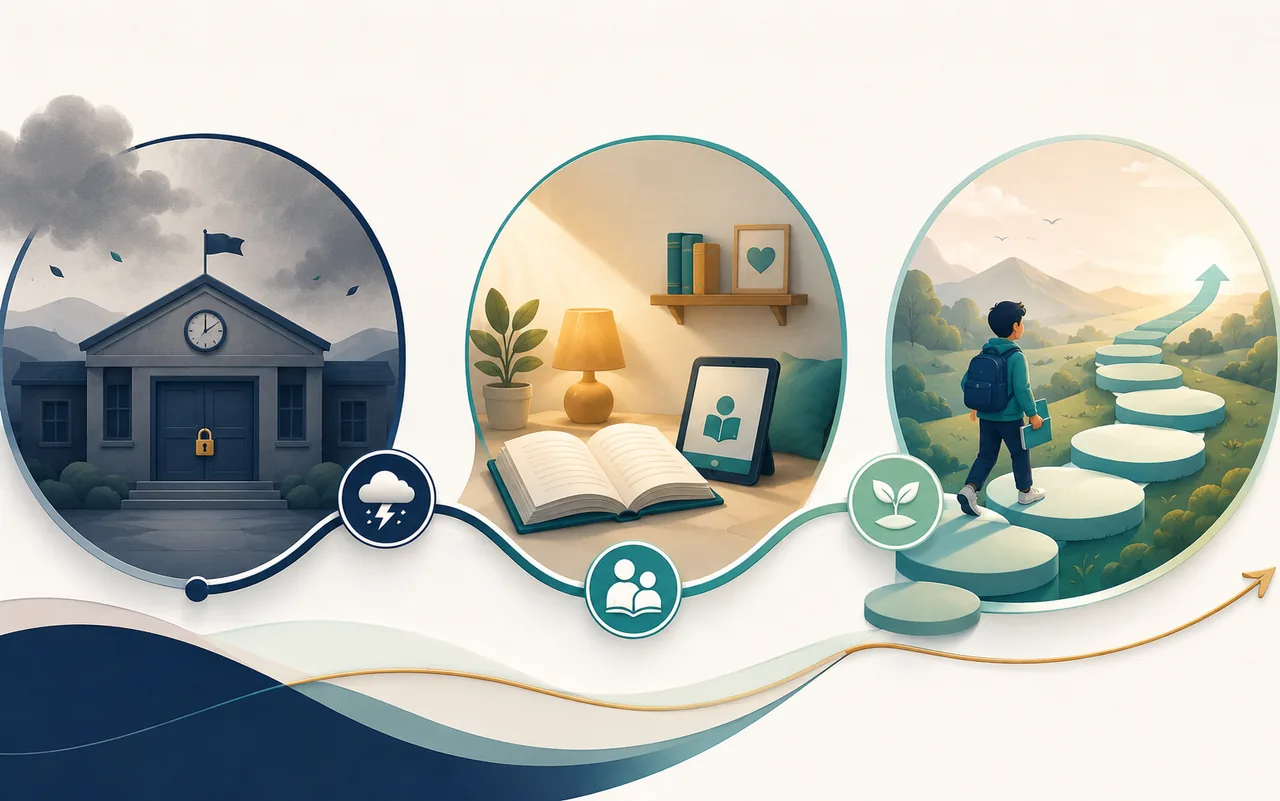
A More Prepared and More Equitable Future Is Possible
Covid showed what happens when we are unprepared. The LA wildfires reminded us that the stakes are high, even during short disruptions. The next fire, storm, or emergency should not create another round of predictable and preventable learning loss.
Every child deserves continuity in reading, even when the world outside is uncertain.
The question is not whether disruptions will happen again. The question is whether we will allow them to deepen the divide between who has access to learning and who does not.
If we take the lessons from Covid seriously and acknowledge the inequities highlighted by the LA wildfires, we can design a more resilient, inclusive, and humane education system. One that protects learning, supports families, and helps every child grow into a confident reader, no matter the circumstances.
Written by
Founder perspective
Co-Founder & CEO
Thore Weber
Thore is building Dr. Read to make the kind of patient, one-on-one reading support that helped him become a confident reader available to every reader and family who needs it.